Clean, dry and loose
Ready to be recycled.
Give your tins and cans a quick rinse, let them dry then pop them loose ready to be recycled.
Back to preparation
Rinsing out tins and cans helps ensure more can be recycled properly.
No need to waste water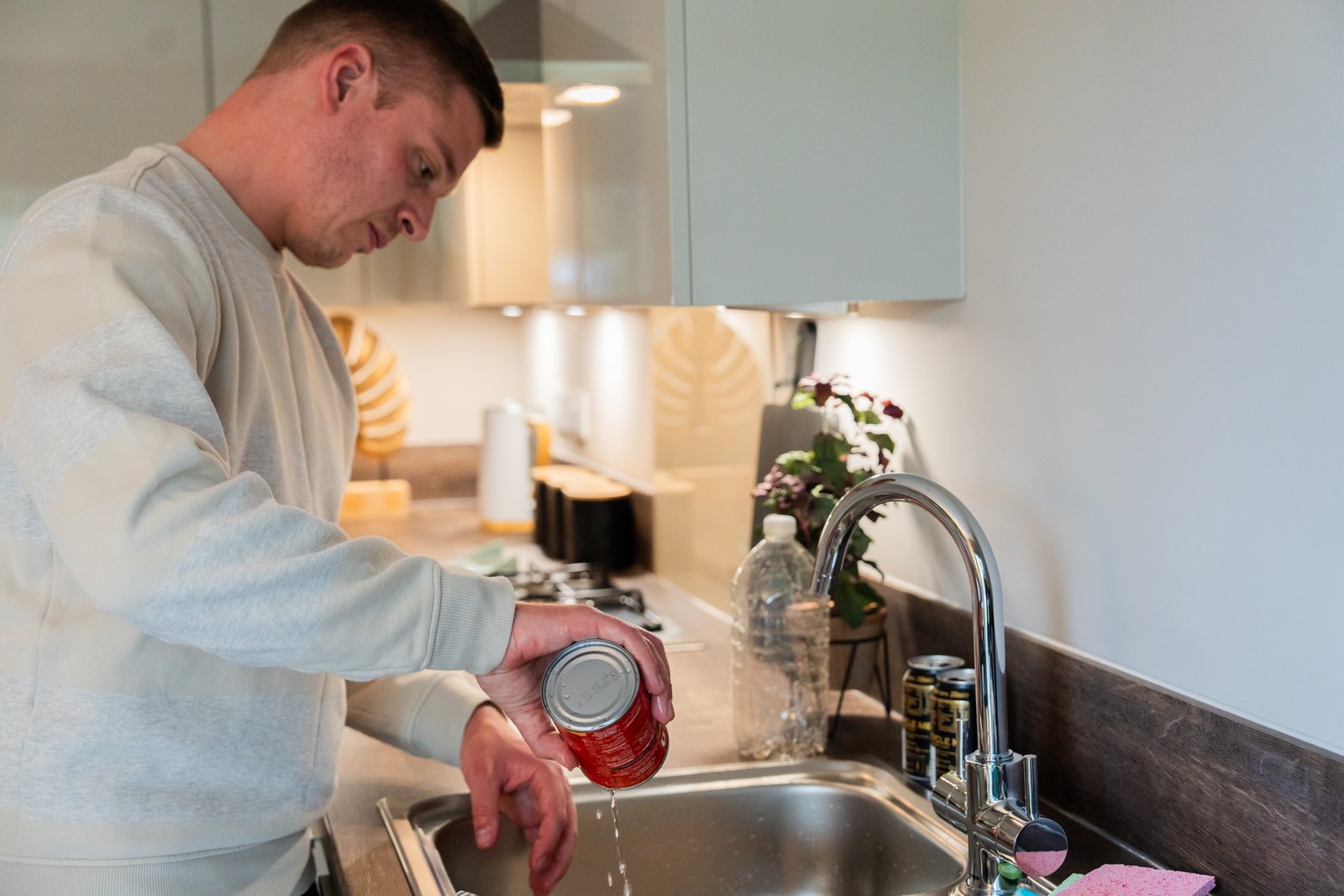
just use what’s left over from your washing up.
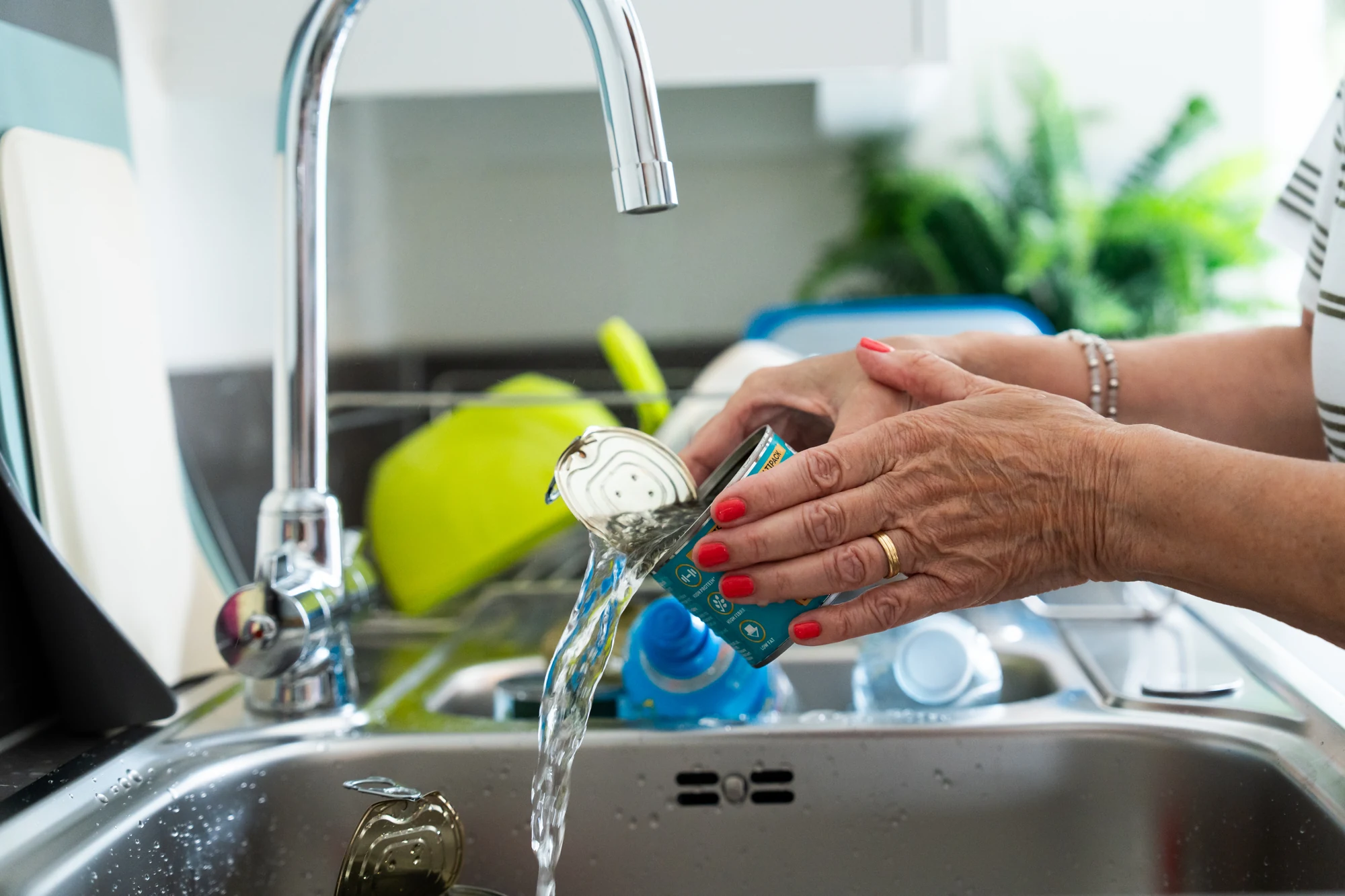
Cans and tins can be recycled over and over again, as long as they are put in your bin clean, dry and loose.
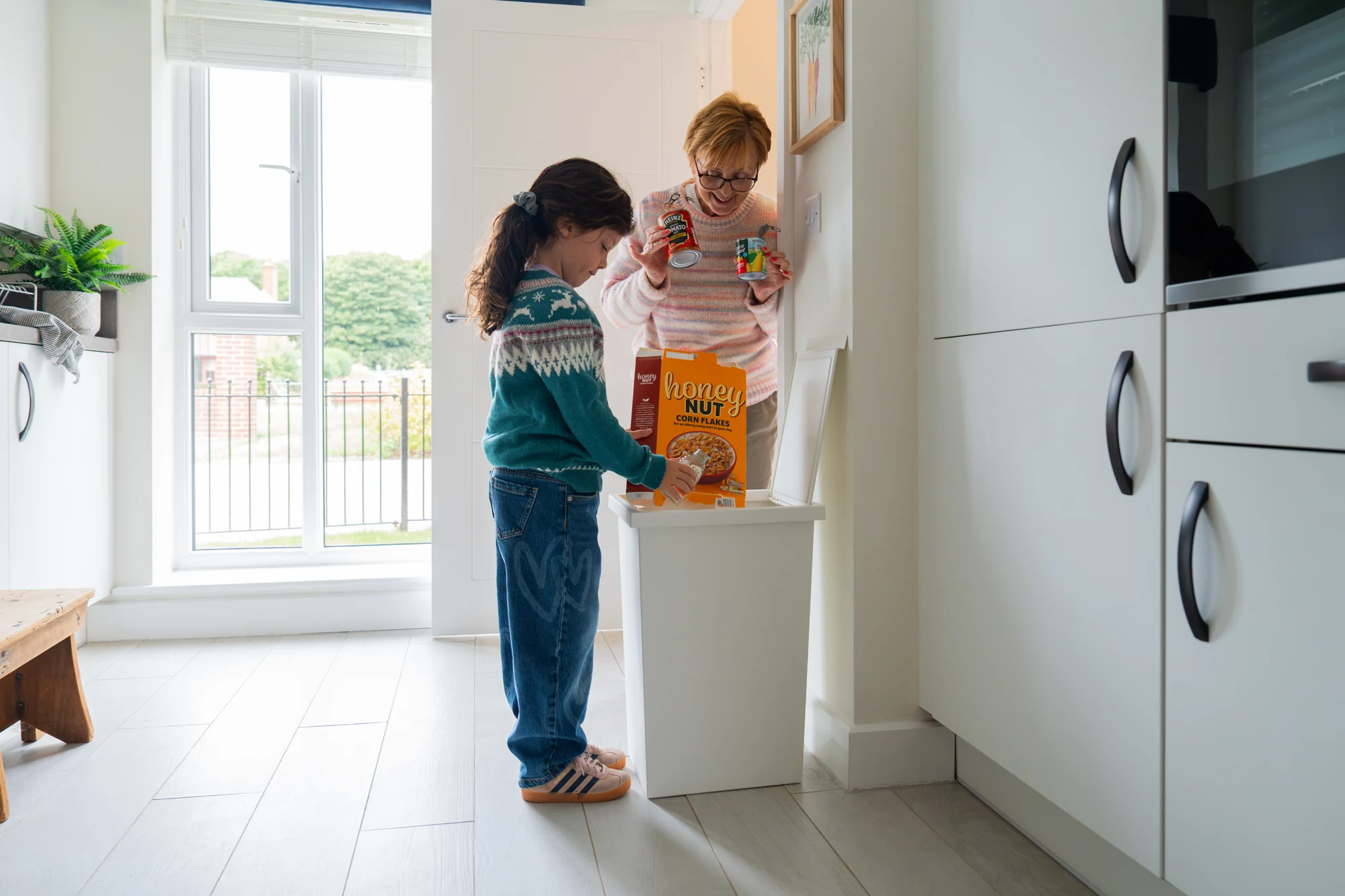
Give your tins and cans a quick rinse, let them dry then pop them loose ready to be recycled.
Give your tins and cans a quick rinse, let them dry then pop them loose ready to be recycled.
Back to preparationMake sure you fully empty your tins and cans, scrape off excess food, use leftover washing-up water, let your tins dry and put them loose in your recycling bin. It doesn’t need to be spotless.
Why it mattersBefore you pop something in your recycling bin, take a quick check.
Recycling checkerLeftover food and liquid in cans and tins can leak onto clean materials like paper and cardboard, ruining entire batches meaning they can’t be recycled.
Unwashed tins and cans can cause smell, mould and bacteria on your recycling which could attract pests.
Heavy build up of food residue damages the machinery at the recycling facility.
Before you pop something in your recycling bin, take a quick check.
Recycling checker